Recently at a conference, my colleague shared her experience moving to a new community. As a pastor, she knew her community well – not only the people, but practical things like the clinic phone number, her dentist, the way around the grocery store. When she moved, she explained, she felt like she knew nothing. Nothing at all! Well, she went on, she did know things. But what she knew no longer applied.
Communities are unique. Like families, communities have a dynamic. The size of the community is irrelevant. Small towns or large towns can be connected or disconnected. Urban areas or rural can be progressive or resistant to progress. Medium-sized cities or big cities can be fun and exciting or dull. I’ve lived in a very small town, a big city, a really big city, a suburb and a large town/small city, where I’ve lived now for nearly 17 years.
Yesterday, my city approved a bond to renovate and expand the public high school (particularly to replace the 1960’s original boiler which has broken down and requires parts that are now obsolete) and enhance security in the city’s public elementary schools. Perhaps because my role with a Congregation Council is to steward an old property for generations to come, I am confused why this was a difficult question in our community. Would you replace the boiler in your own home if the people who built the boiler explained they can no longer repair it?
I’ve reflected on the uniqueness of my community, which is impacted by the not-so-unique toxic presence of fear. There was fear that passing a bond would raise property taxes. Maybe there was fear of admitting that our community has grown and is projected to keep growing. Growth means change and change tends to make us fearful. Was there fear that city leaders don’t understand financial struggles experienced by some in our community – do those individuals fear they are invisible?
A common phrase in the Bible is “Do not fear.” Spoken by angels to surprised and fearful recipients of God’s important message, spoken by Jesus to the disciples: “Do not let your hearts be troubled and do not let them be afraid.” (John 14:27c) Jesus did not say this to one disciple, but to the community of disciples. If the community became fearful, it would break apart. Fear sends us in different directions and brings out our worst. Facebook rants and Thanksgiving dinner arguments generally stem from fear, when we have let our hearts be troubled and afraid.
Gil Rendl is a leader in the Methodist denomination whose latest book calls the church to attention. How might the whole church find its voice in this time of toxic fear and vulnerable communities? What, Church, do you have to say to a people who are being sent in different directions by fear? My colleague reflected upon what she knew, that it no longer applied to her new community. But the church has been here before. We’ve struggled through cultural divides over the centuries. We have heard Jesus caution the community not to be afraid. What we know applies to this moment, when the voice of fear bemoans the problems of a community without calling us to be caring citizens of that community.
I gingerly perused some social media last night, waiting for a word on the vote count. It is encouraging to see the courageous few speak truth into the untruths that enflame social media followers. The gift of truth is that it disarms fear. It invites all of us into a higher level of maturity to rely on facts and not fear. This, of course, is much less exciting. But best for a community, or even, it is the way we are a community built on hopes and dreams, facts and figures, refusing to let fear take the lead.
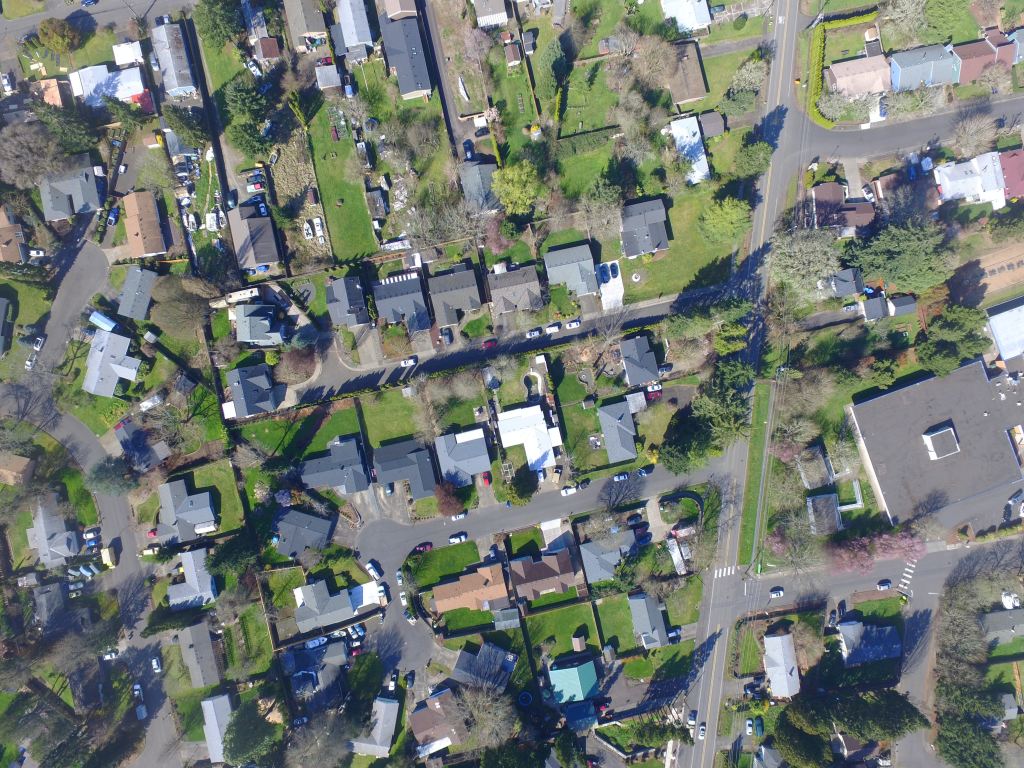
Photo by Riley Edwards on Unsplash

 Lisa Lewton
Yipeeee fabulous work Marcus
Fabulous post Lisa. Love you guys.
LikeLike
So, true, Lisa. I am so glad the bond issue passed, but frustrated by some of the nasty comments on social media. To me, this issue was about securing safe, secure, and comfortable to use schools for students and staff. It should help to make our community a better place.
Carma
LikeLike